Mission
Vision
To work in the community along with institutions that share the value of a person-centred approach to identify the right persons with needs, so that no one is left behind due to a lack of resources.
How we show up
Our Core Values
Hover each card to read how these principles shape care at Ezhilagam Trust.
Compassion
We treat every individual with kindness, empathy, dignity, and respect.
Person-Centred Care
We place the individual at the heart of every decision, ensuring that care is tailored to their needs, preferences, and recovery goals.
Equity
We believe that every person deserves access to high-quality mental healthcare, regardless of their financial or social circumstances.
Community Participation
We work alongside communities, families, volunteers, institutions, and corporate partners to improve mental health and create lasting social impact.
Inclusion
We strive to ensure that no one is left behind because of poverty, stigma, disability, or lack of resources.
Recovery and Empowerment
We believe recovery is possible. Through treatment, rehabilitation, vocational training, and supported employment, we empower people to regain independence and lead meaningful lives.
Integrity
We are committed to honesty, transparency, accountability, and ethical practice in all that we do.
Excellence
We are dedicated to providing evidence-based, high-quality mental healthcare, education, research, and rehabilitation services.
Collaboration
We build strong partnerships with healthcare professionals, educational institutions, NGOs, government agencies, and corporate organisations to maximise our impact.
Innovation
We embrace new ideas and sustainable solutions, including social enterprises and community-based rehabilitation, to address unmet mental health needs.
Social Responsibility
We believe that caring for people with mental illness is a shared responsibility, and together we can build healthier, more compassionate communities.
Our Journey
From clinical training to community care
Milestones that shaped Ezhilagam Trust’s work in Tiruchirappalli and beyond.
-
 Today
TodayResearch, training, and residential care
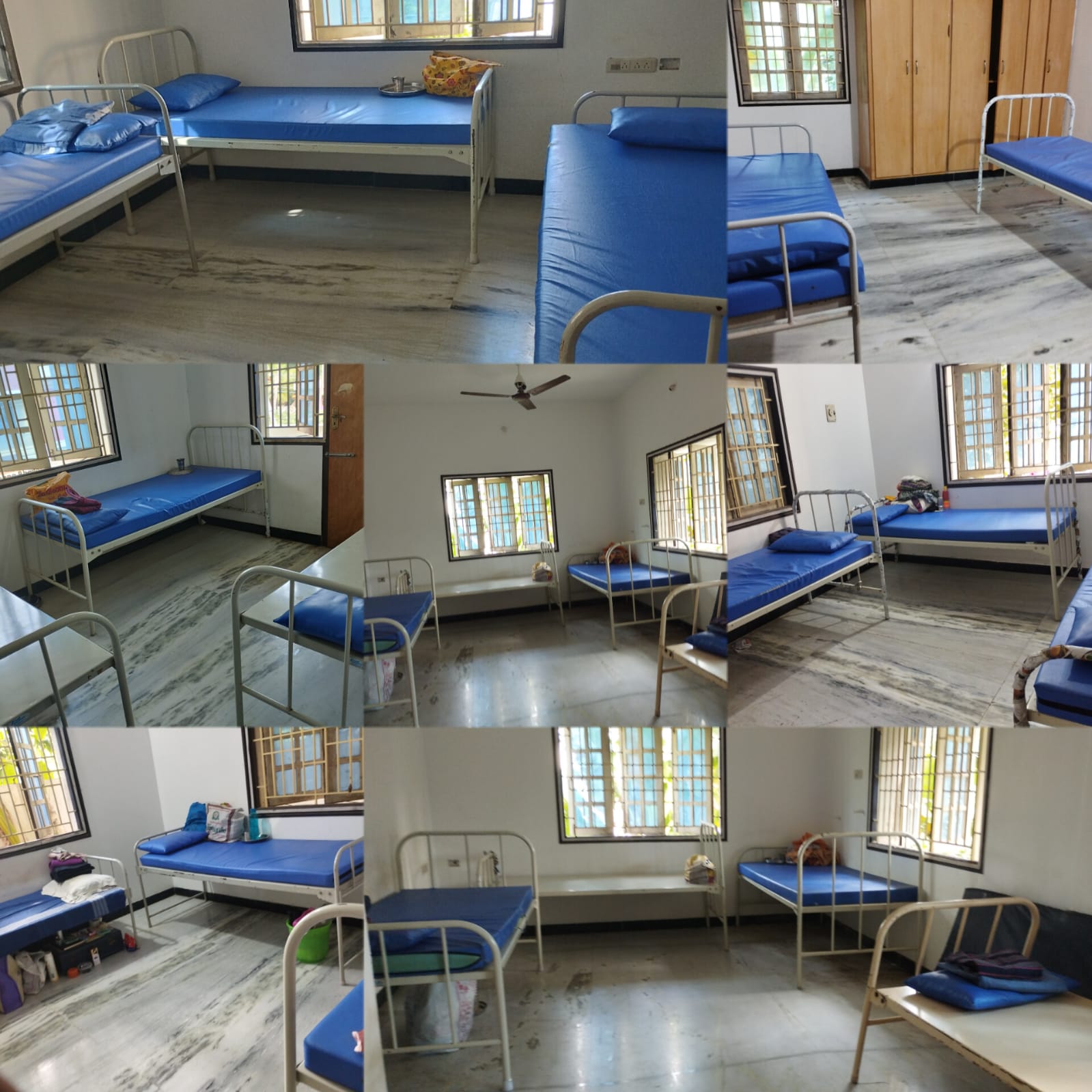
The Trust publishes the Tamil Psychiatry Journal, trains professionals, and runs a 30-bed rehabilitation centre in Navalur as Phase One of residential recovery.
-
 2023
2023Social enterprises and jobs
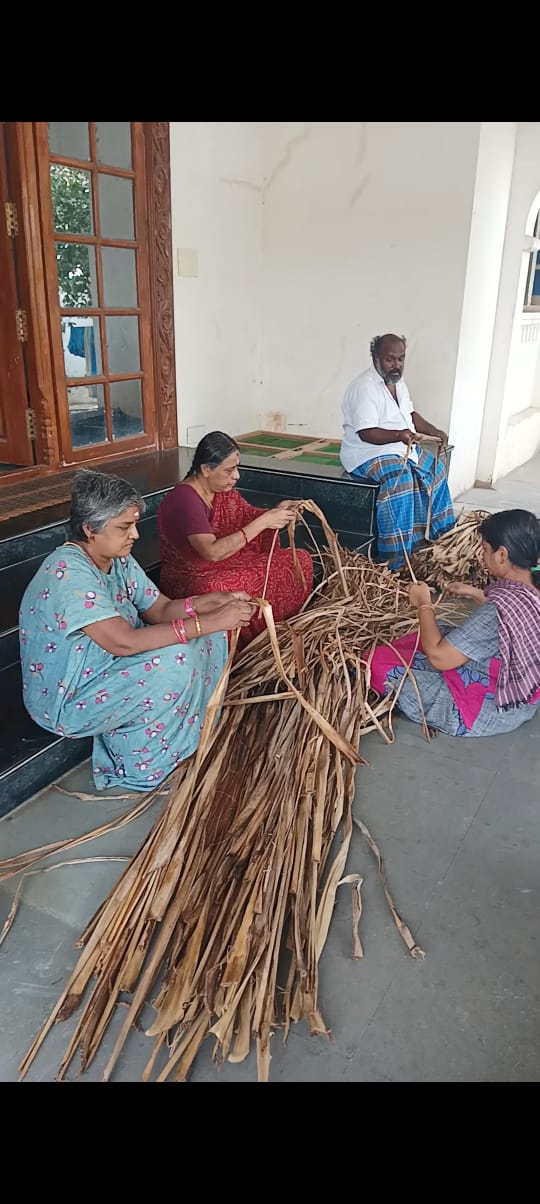
With corporate partners, Ezhilagam created social enterprises and semi-skilled jobs so people recovering from long-term illness can rebuild independent lives.
-
 2021
2021Free camps and rehabilitation
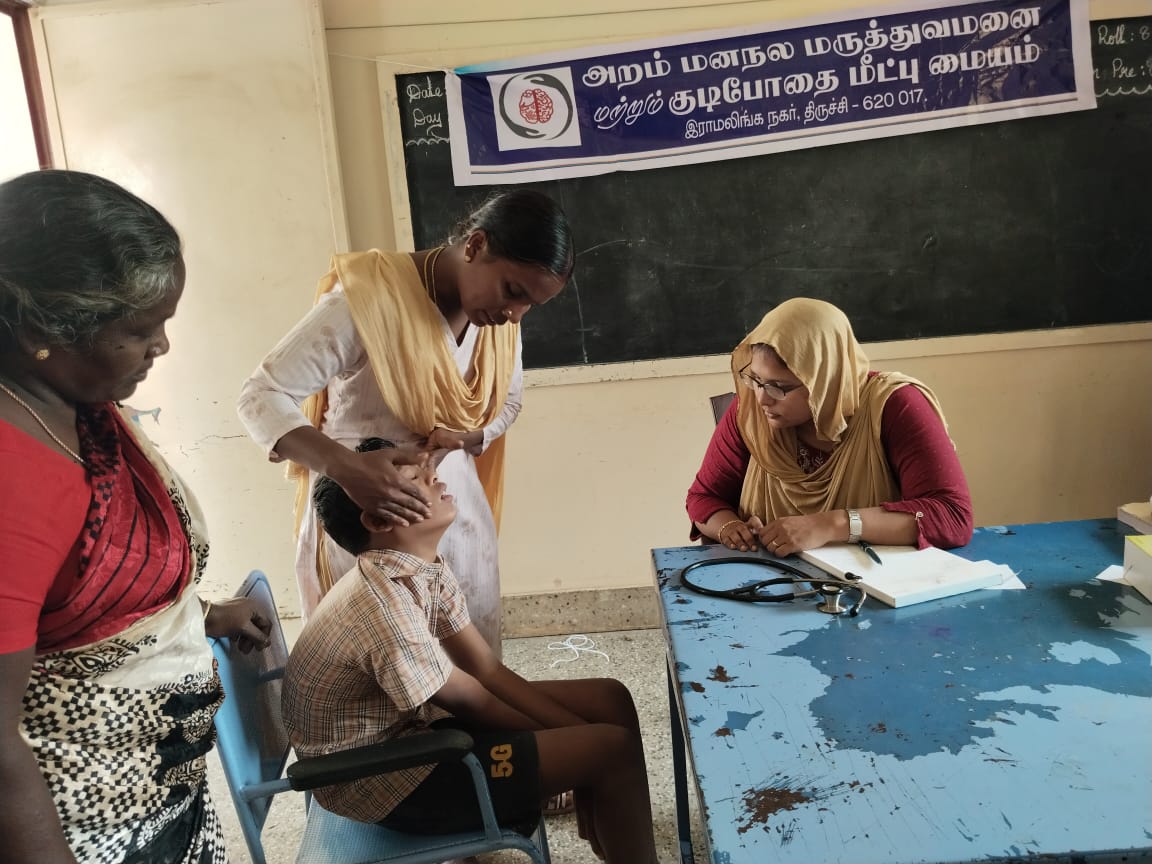
Monthly free psychiatry camps, free medicines for eligible patients, and community-based rehabilitation programmes expanded the circle of care.
-
 2020
2020Awareness across the district
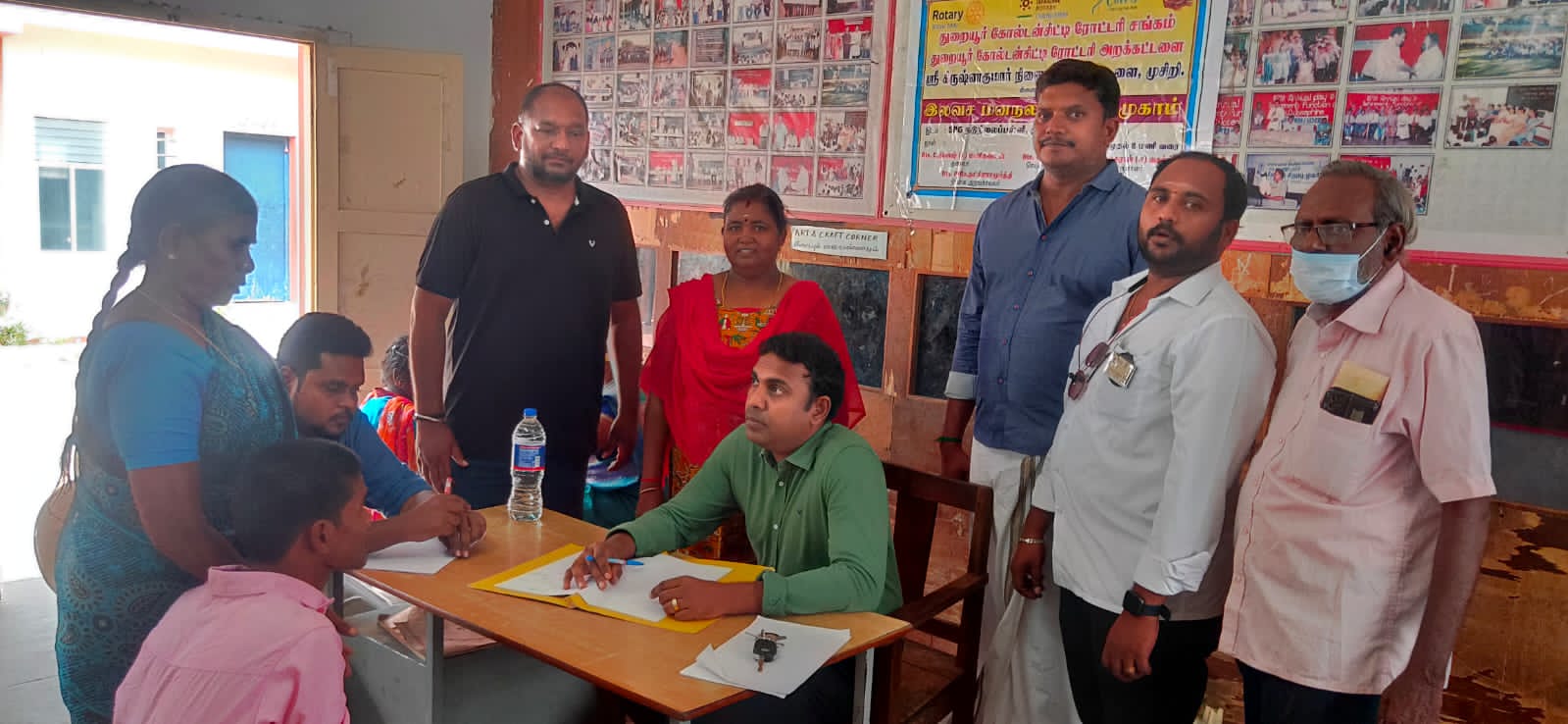
The Trust and its multidisciplinary team spread awareness on mental illness and addiction across communities in and around Tiruchirappalli.
-
 2019
2019Ezhilagam Trust begins
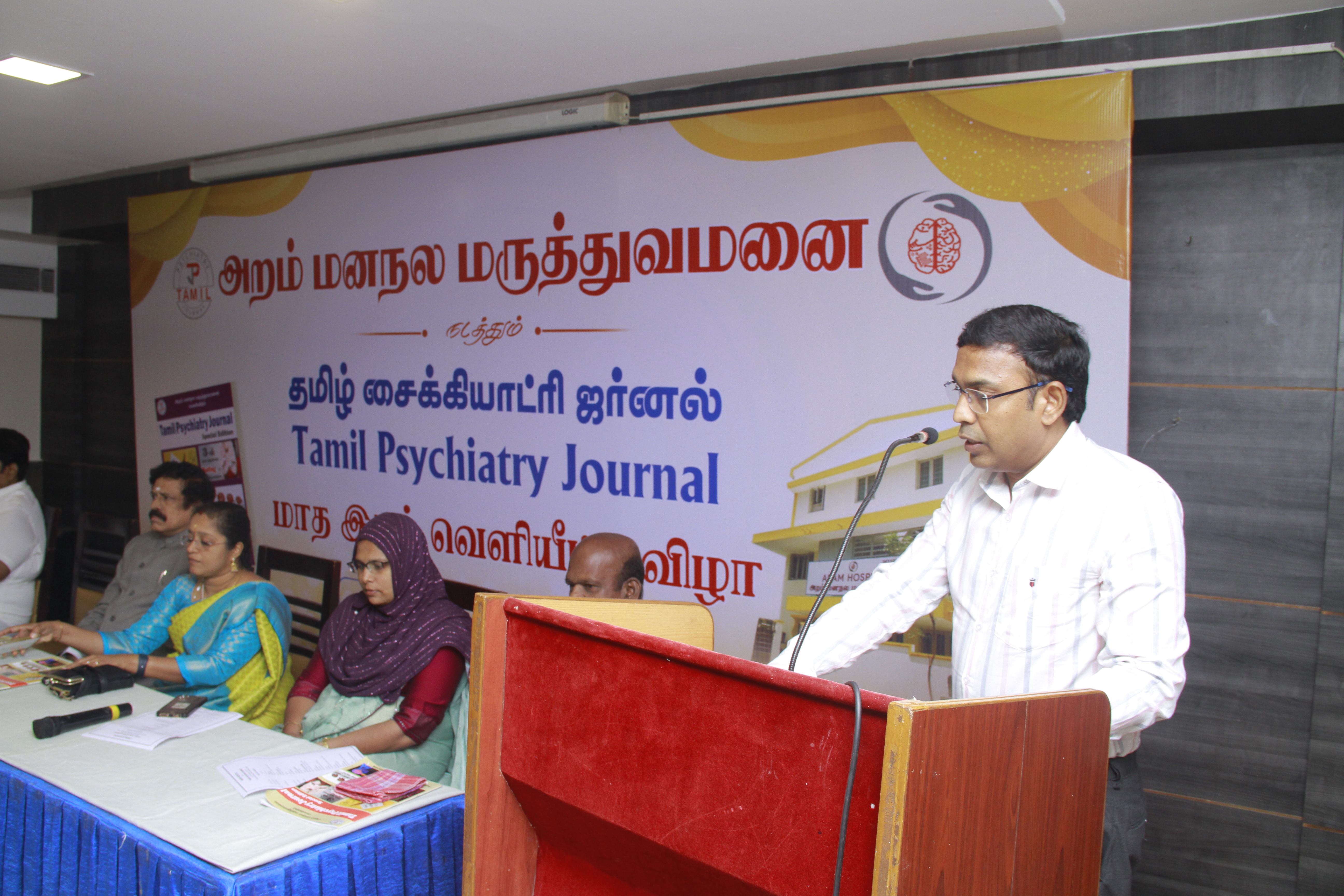
Ezhilagam was started to offer the same quality of care to underprivileged people who could not afford private healthcare, with support from like-minded partners.
-
 2016
2016Aram Psychiatry Hospital
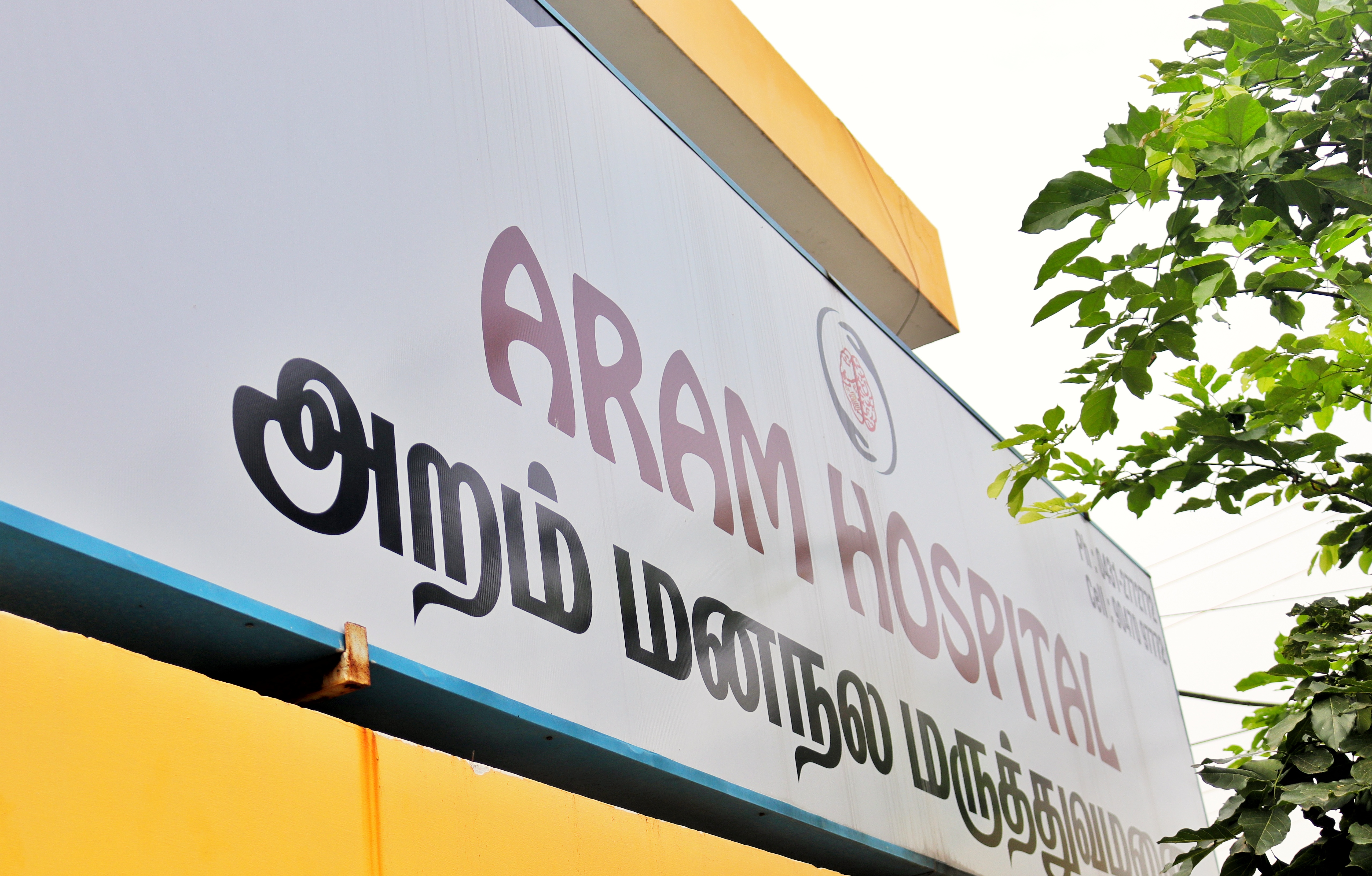
Dr. Magesh Rajagopal returned to India and founded Aram Psychiatry Hospital in Tiruchirappalli, Tamil Nadu, to bring high-standard mental healthcare home.
-
 Earlier
Training in the United Kingdom
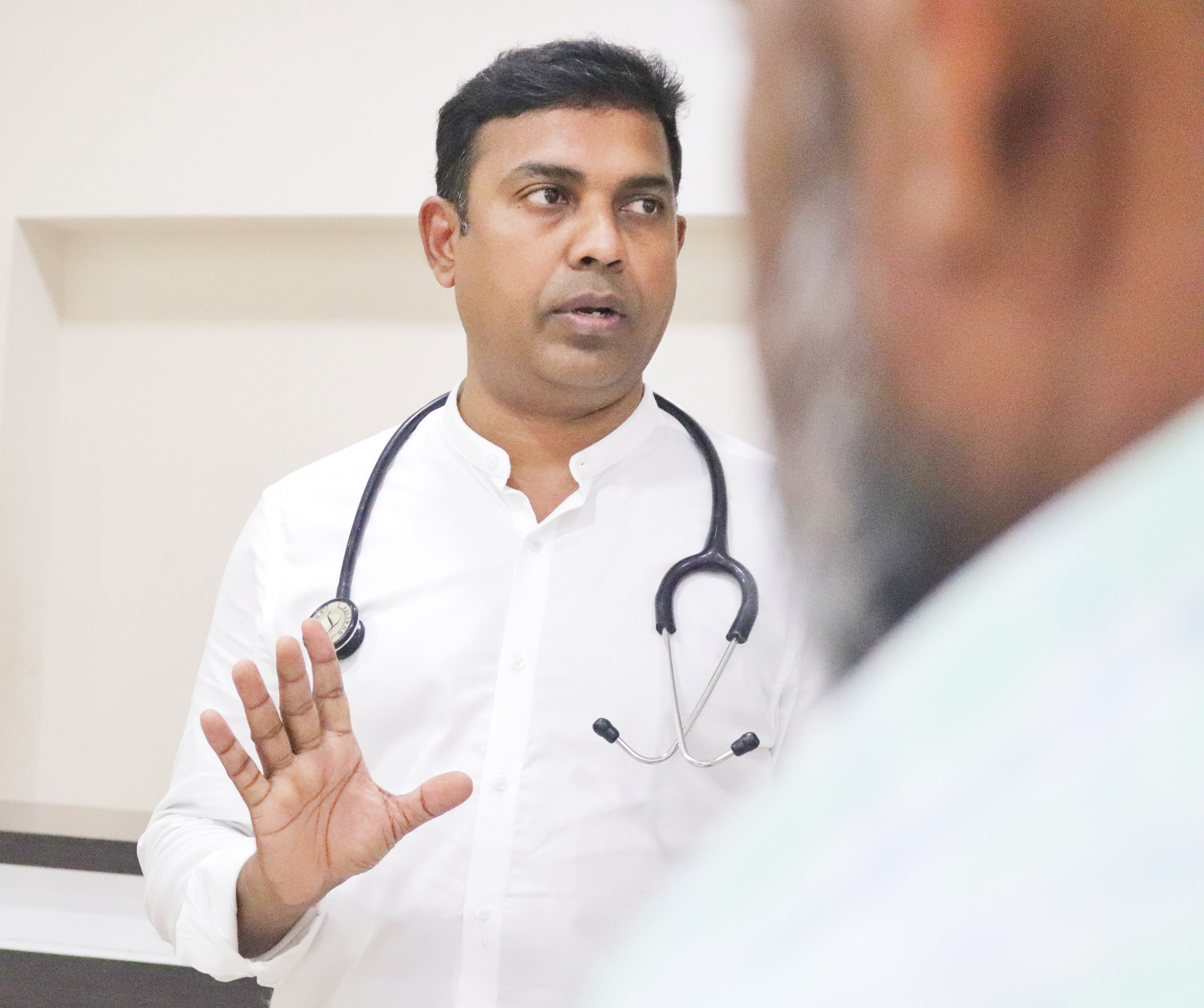
Dr. Magesh Rajagopal gained experience across psychiatry subspecialties and earned Membership of the Royal College of Psychiatrists, London.
Who we walk with
People whose needs shape our work
Ezhilagam focuses on those most affected by the mental healthcare gap.
People with mental illnesses
Globally, 1 in 7 people suffer from mental illnesses at some point in their lifetime. About 3 out of every 1,000 people in the general population suffer from a major chronic mental illness called schizophrenia, which causes significant disability and disease burden in society.
People who have the least access to mental health services
Inner-city congested localities and rural communities where stigma and lack of awareness leave people without care.
Children and Young Adults
School and college students who are vulnerable to anxiety, depression, and the early onset of major mental illnesses.
Unlocking potential through skills and employment
Building micro-enterprises and semi-skilled jobs so people recovering from mental illness can regain independence.